
A Wind Turbine for Every Village: German Expert Explains How Kazakhstan Can Reduce Electricity Losses
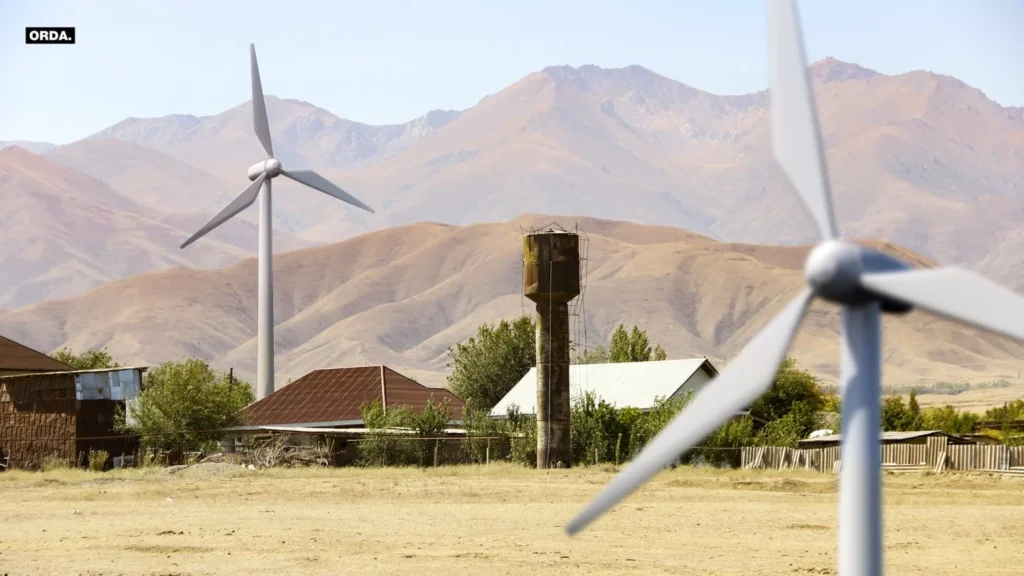
Kazakhstan has faced energy shortages for many years, and alongside generation issues, the country also struggles with significant electricity losses during transmission. At the iRIF Forum in Almaty, Professor Eduard Siemens, Director of the Anhalt University of Applied Sciences branch in Kazakhstan, shared his insights on how these losses can be reduced.
Siemens noted that the long distances between power plants and consumers—especially in rural areas, where 43% of Kazakhstan’s population lives—lead to substantial transmission losses.
Small-scale wind and solar power near villages
Siemens proposes deploying small wind turbines and solar stations near remote villages. Localized generation would significantly reduce network losses and make use of Kazakhstan’s natural advantages: strong winds in the steppes and high solar potential across Central Asia.
He added that similar systems are already used in Germany, where enterprises build their own renewable energy facilities to cut electricity costs.
Small hydropower: benefits and risks
Siemens also discussed small hydropower plants. He noted that they are particularly suitable for mountainous regions like Kyrgyzstan and Tajikistan. In Kazakhstan, however, environmental and archaeological concerns must be carefully evaluated.
On nuclear power
Regarding Kazakhstan’s plans to build nuclear power plants, Siemens emphasized that nuclear decisions are political in both Kazakhstan and Germany. Modern safety standards make nuclear energy expensive, and waste disposal remains unresolved.
He believes Kazakhstan will construct its nuclear plants with maximum safety, although this will increase the cost of energy production.